
At the last global climate conference (UNFCCC-COP 23, Bonn 2017), tropical forest countries and others, including Indonesia and Brazil, jointly declared goals “to increase the use of wood … to generate energy as part of efforts to limit climate change”.
BIOMASS.
A whole deforestation industry has developed around a loophole in the Kyoto Agreement which allowed the burning of Biomass, (wood), to be classified as a “renewable” energy. ie – an emissions free source of energy.
According to the IPCC, a tree emits the same amount of carbon that it sequesters from the atmosphere when growing. A very easy calculation in Land Use Management when assessing deforestation, these amounts are NOT included in global carbon emissions totals as they are rated to have zero emissions, they are ‘accounted for’ under Land Use Emissions in the European Union Emissions Trading Scheme.
The European Union now openly states that 60% of it’s renewable energy comes from burning wood, countries who have “advanced” renewable energy reductions are those that have invested in Biomass energy production. U.K. Sweden, France Germany, Denmark and Finland, Norway and the U.S.A.
A study found that the annual smokestack emissions from biomass in the EU emission trading system (ETS) – where they are given a zero-rating – are between 90 and 150 million tonnes of CO2 (1)
Over 1 billion tonnes of CO2 emitted over the last 10 years completely unaccounted for. The scientific opinion though is quite clear, as expressed by 800 scientists and researchers in Biomass energy.
“overall, replacing fossil fuels with wood will likely result in 2-3x more carbon in the atmosphere in 2050 per gigajoule of final energy. Because the likely renewable alternative would be truly low carbon solar or wind, the plausible, net effect of the biomass provisions could be to turn a ~5% decrease in energy emissions by 2050 into increases of ~5–10% or even more”. (2)
Bioenergy is not carbon-neutral and can have seriously negative climate impacts. The combustion of forest biomass generally releases more carbon dioxide to the atmosphere than fossil fuels, because of the lower energy density and conversion efficiency of biomass (more has to be burnt relative to fossil fuels) (3)
Large-scale forest harvests have a climate warming effect for at least 20 to 35 years, said University of Helsinki climate and forest scientist Jaana Bäck, who noted that scores of evidence-based studies all say basically the same thing. “And if we look at the Paris targets, we are in critical times at the moment. We need to reduce emissions now, not in 50 or 100 years,” she said. (4)
A 2012 study by Synapse Energy Economics estimated that the average smokestack of a US biomass plant emitted about 1.67 tons of CO2 per megawatt-hour of electricity generated, or 50 to 85 percent greater than emissions from a coal-fired plant.
CO2 emissions from a biomass plant are more than triple the CO2 emissions from a natural gas facility.
The E.U. is more concerned with the “lobby” from Scandinavian countries who all support Biomass as “renewable energy”, which is IPCC approved. This “fraud” allows countries such as the U.K. to change from coal energy generation using existing facilities to a less potent, more polluting source (wood), and completely hides the emissions associated with economic growth.
This blatant fraud is nowhere better demonstrated than in the European “gem of Carbon Nuetrality”, Copenhagen lauding it’s anti climate strategy in their report to the C40’s Cities report recently.
“Most savings were achieved through increasing the share of green energy from biomass used in the city’s combined heat and power plants, and wind energy. Furthermore, the conversion of a power plant unit from coal to sustainable biomass is underway and is expected to be completed by the end of 2020”; (5)
Oslo, Norway’s “star” climate performer – 99% of the energy sources now consists of heat from the sewer system, recovered heat from waste, bioenergy (pellets and bio-oil) and electricity from hydro power. (5)
This gives countries the ability to prove “decoupling” is actually happening.
Decoupling economic growth from energy emissions
Decoupling economic growth from emissions generation is now the direction of all United Nations departments, and policies, including U.N.F.C.C.C. and I.P.C.C. “Green Growth” is locked into political strategy.
The European Union “fraud” of Biomass, whereby 60% of E.U. carbon emissions are simply ignored allows the advancement of the Myth of Decoupling.
The inclusion of consumption based carbon footprints rather than “territorial footprints”, (emissions produced within a City or country boundary), provided a shock, and a much truer picture of individual consumption habits was shown. This meant a doubling down on “circular economies”, zero waste, and of course more efficiency.
Green Growth is the nadir, and we can keep things exactly as they are under the illusion that emissions are reducing and “green” economic activity (GDP) continues at 2 – 3% p.a.
A study by the UN’s Department of Economic and Social Affairs points towards a 1.4 percent increase of energy-related carbon dioxide emissions in 2017 due to a combination of accelerated economic growth, relatively cheap fossil fuels and weak energy efficiency efforts.
“While recent evidence points to progress in decoupling emissions growth from GDP growth in some developed economies, it is still manifestly insufficient. The rate of global energy efficiency gains has been slowing since 2015, reaching 1.7 percent in 2017—half the rate required to remain on track with the Paris Agreement”, say the authors of the report ‘World Economic Situation and Prospects as of mid-2018.’ (6)
The authors of the report have no doubt realised this fallacy even more in 2018 when emissions increased to the previous “highs”, providing a 2.7% increase in emitted greenhouse gases from GDP “growth” to record levels.
Ever since the global total of emissions generation either side of the Paris 2015 conference “slowed” to 0.5% there has been over exaggerated optimism about “Decoupling” and how a technological basis to the “service” economy is the “key” to energy efficiency.
Even articles published in 2018 lauding Decoupling as fact, it is mainly based on territorial limits. The countries used as examples all “hide” emissions with Biomass, to a massive extent, AND do not include consumption based emissions, when included, the results are disastrous for Decoupling advocates, but that does not stop the headline.
Decoupling of emissions and incomes: It’s happening .
To account for the effects of globalisation, we make a distinction between production-based and consumption-based emissions, . . This does make some difference to our results and in the expected direction. The evidence for decoupling for the richer nations gets weaker, including for many European countries (France, Germany, Italy, and the UK). (7)
This is not a new debate but as Prof Tim Jackson points out, it is a MYTH.
“It’s vital here to distinguish between ‘relative’ and ‘absolute’ decoupling. Relative decoupling refers to a decline in the ecological intensity per unit of economic output.
Relative decoupling
Put very simply, relative decoupling is about doing more with less: more economic activity with less environmental damage; more goods and services with few resource inputs and fewer emissions.
Decoupling is about doing things more efficiently.
The global carbon intensity declined by almost a quarter from just over 1 kilogram of carbon dioxide per US dollar (kgCO2/$) in 1980 to 770 grams of carbon dioxide per US dollar (gCO2/$) in 2006
Absolute decoupling
The situation in which resource impacts decline in absolute terms is called ‘absolute decoupling’. Needless to say, this latter situation is essential if economic activity is to remain within ecological limits.
Despite declining energy and carbon intensities carbon dioxide emissions from fossil fuels have increased by 80% since 1970. Emissions today are almost 40% higher than they were in 1990 and since the year 2000 they have been growing at over 3% per year.” (8).
This book was written in 2009, 10 years of worsening emissions and impacts the annual reductions are greatly amplified. It has taken a refining of emissions data, whereby “offshored emissions” from imported goods have finally been accredited to the country of use.
“An apparent reduction in emissions of 6% between 1990 and 2004, as reported under UNFCCC guidelines is turned into an 11% increase in emissions, once emissions embedded in trade are taken into account.
The message here is not that decoupling is unnecessary. On the contrary, absolute reductions in throughput are essential. The question is, how much is achievable? How much decoupling is technologically and economically viable?
The intractability of addressing both population and income has tended to reinforce the idea that only technology can save us. Knowing that efficiency is key to economic progress, it is tempting to place our faith in the possibility that we can push relative decoupling fast enough that it leads in the end to absolute decoupling. But just how feasible is this?
There is a convenient ‘rule of thumb’ to figure out when relative decoupling will lead to absolute decoupling. In a growing population with an increasing average income, absolute decoupling will occur when the rate of relative decoupling is greater than the rates of increase in population and income combined.
The IPCC’s Fourth Assessment report suggests that achieving a 450 ppm stabilisation target means getting global carbon dioxide emissions down to below 4 billion tonnes per annum by 2050 or soon after. This would be equivalent to reducing annual emissions at an average rate of 4.9% per year between now (2008) and 2050.
At an average population growth of 0.7% each year under business as usual conditions,
the decline in carbon intensity just about balances the growth in population and carbon emissions will end up growing at about the same rate as the average income – 1.4% a year. It might not sound much, but by 2050, under these assumptions, carbon emissions are 80% higher than they are today.
To achieve an average year-on-year reduction in emissions of 4.9% with 0.7% population growth and 1.4% income growth, – T (emissions intensity), has to improve by approximately 4.9 + 0.7 + 1.4 = 7% each year – almost ten times faster than it is doing right now.
By 2050 the average carbon content of economic output would need to be less than 40 gCO2/$, a 21-fold improvement on the current global average
Simple arithmetic hides stark choices. Are we really committed to eradicating poverty? Are we serious about reducing carbon emissions? Do we genuinely care about resource scarcity, deforestation, biodiversity loss?26 Or are we so blinded by conventional wisdom that we daren’t do the sums for fear of revealing the truth? (8)
Recent opinion again challenges the notion of “green growth” at a fundamental level,
The notion of green growth has emerged as a dominant policy response to climate change and ecological breakdown. Green growth theory asserts that continued economic expansion is compatible with our planet’s ecology, as technological change and substitution will allow us to absolutely decouple GDP growth from resource use and carbon emissions. This claim is now assumed in national and international policy, including in the Sustainable Development Goals. But empirical evidence on resource use and carbon emissions does not support green growth theory. Examining relevant studies on historical trends and model-based projections, we find that:
(1) there is no empirical evidence that absolute decoupling from resource use can be achieved on a global scale against a background of continued economic growth, and
(2) absolute decoupling from carbon emissions is highly unlikely to be achieved at a rate rapid enough to prevent global warming over 1.5°C or 2°C, even under optimistic policy conditions.
We conclude that green growth is likely to be a misguided objective, and that policymakers need to look toward alternative strategies.(9)
The truth of Biomass, the truth of decoupling, the truth of carbon offsets, “green growth” are fantasies. Having already been sold a fantasy with “Negative emissions technology” and the resulting pushback, the IPCC and E.U. needed “good news” stories. So these fantasies are pushed all the way down the “administrative chain of command” through national and regional governments, down to local government level where they are often a “trusted voice”.
Footnotes
(1) Reasons to change the zero-rated criteria for biomass in the EU ETS March 2015
https://www.euractiv.com/section/energy/opinion/biomass-zero-ets-rating-burns-us-all/
(3) Open Letter to E.U. from 800 scientists and researchers. £Scientific Basis of E.U. Climate Policy on Forests” Sept 2017.
(5) https://resourcecentre.c40.org/resources#cities-leading-the-wayhttps://resourcecentre.c40.org/resources#cities-leading-the-way
(6) https://unfccc.int/news/global-economy-improving-but-progress-on-emission-reductions-too-slow-un
(7) https://voxeu.org/article/decoupling-emissions-and-incomes-it-s-happening
(8) Prof Tim Jackson, “Prosperity Without Growth” 2009.
(9) Abstract, “Is Green Growth Possible?” – Jason Hickel, Giorgos Kallis April 2019.
https://www.tandfonline.com/doi/full/10.1080/13563467.2019.1598964?needAccess=true


















 In 2013, 350.org initiated an open letter objecting to Christiana Figueres’ close ties with the fossil fuel industries within the COP19 at Warsaw. The letter was also signed by 75 organisations from across civil society.













 And some chilling words from Yvo de Boer the UN climate chief during the 2009 Copenhagen climate change talks who last year openly stated that the target of 2 degrees was ‘impossible’.
 Max Keiser “On the Edge” interviews Nicole Foss from “the automatic earth” explain ‘austerity’ and the necessity for banks and governments to sell assets in a vain attempt to collateralise the existing $1 quadrillion derivative debt. The impossibility of this happening in a flatlining global economy will re-ignite the fear that stopped the world in 2008.
 As the American ‘corn belt’ shrivels under the extended drought, the future of food has taken an amazing turn as DOW AGROSCIENCES ‘proudly’ announces the introduction of 2,4D into the food chain.
 No wonder Mario Draghi is looking pleased with himself, he, and his Goldman Sachs inspired “administrators” have, as John Ward said in a recent post ;


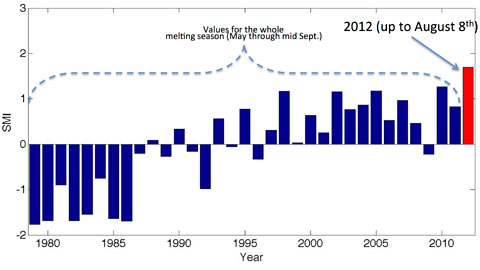
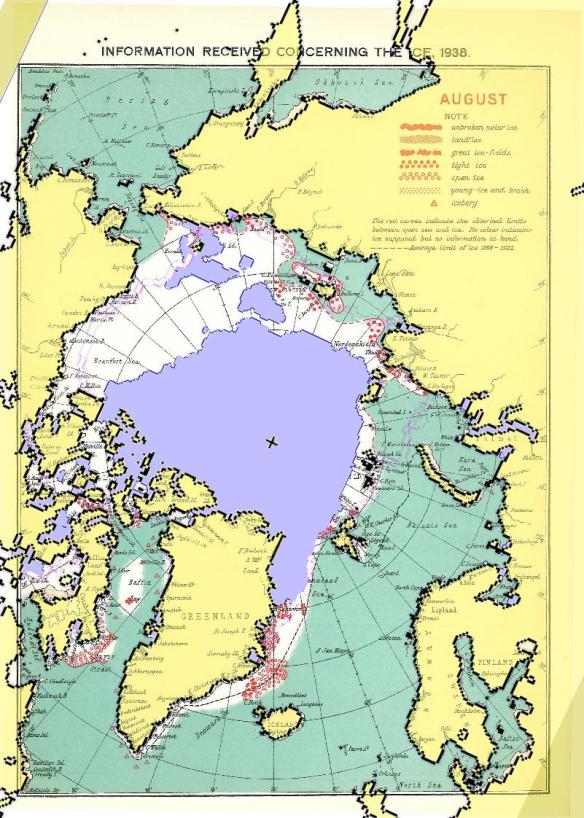
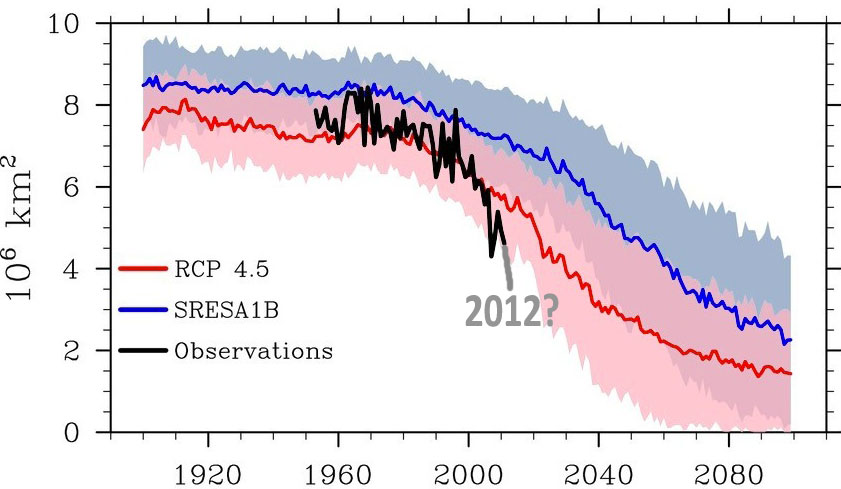
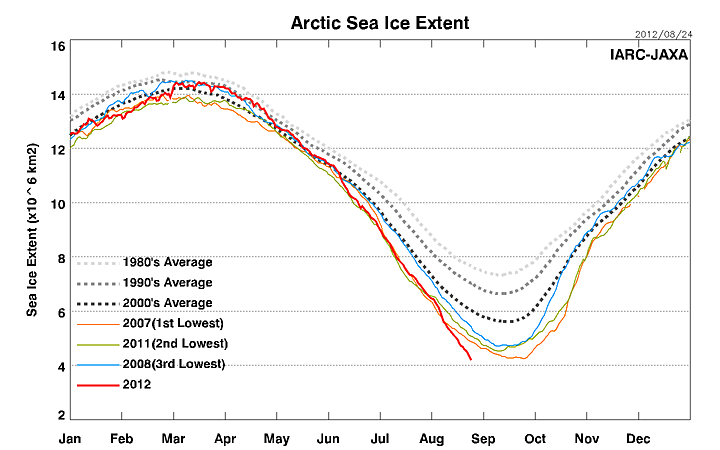
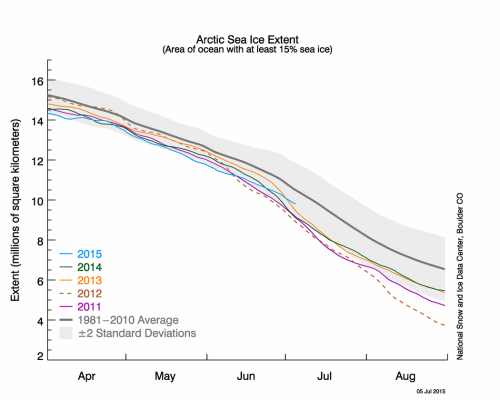
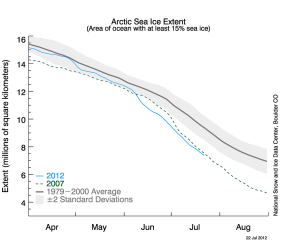
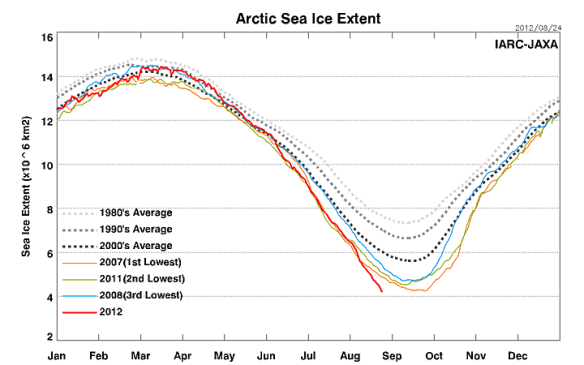 THE LOSS OF ARCTIC SEA ICE AREA THIS YEAR WAS 100,000 SQUARE KILOMETERS PER DAY DURING THE MELT SEASON.
SEA ICE VOLUME.
THE LOSS OF ARCTIC SEA ICE AREA THIS YEAR WAS 100,000 SQUARE KILOMETERS PER DAY DURING THE MELT SEASON.
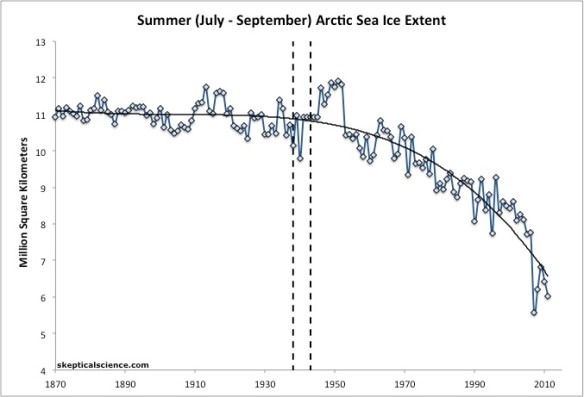
SEA ICE VOLUME.  Sea ice volume hit a new low with this years total being APPROX 75% OF THE AVERAGE VOLUME SINCE SATELLITE RECORDING BEGAN.
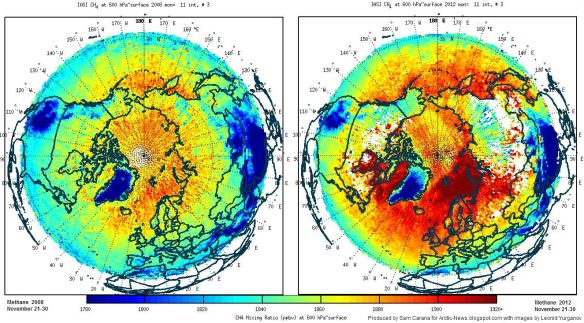
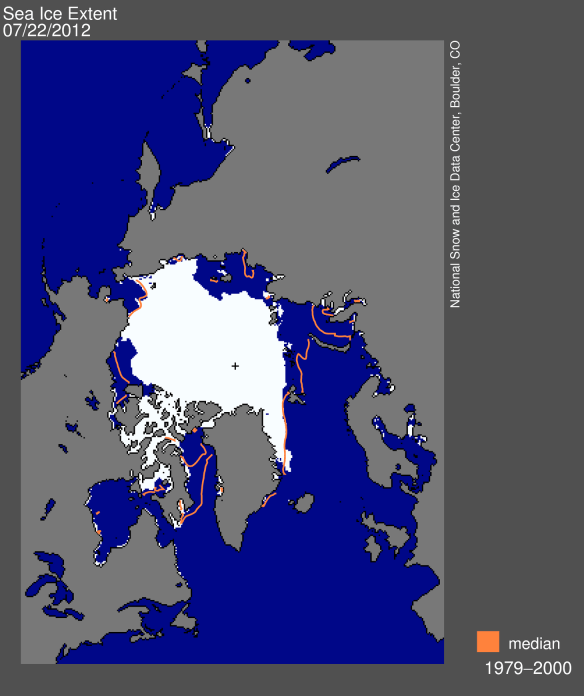
There seems to be no doubt in the scientific community that the “melt is on”. Forcing almost 20 billion tones of CO2 eqv. into the atmosphere every year is unlike ANY ‘natural’ forcing experienced for at least 10,000 years.
Sea ice volume hit a new low with this years total being APPROX 75% OF THE AVERAGE VOLUME SINCE SATELLITE RECORDING BEGAN.
There seems to be no doubt in the scientific community that the “melt is on”. Forcing almost 20 billion tones of CO2 eqv. into the atmosphere every year is unlike ANY ‘natural’ forcing experienced for at least 10,000 years.
 Arctic temperature change reconstructed by Kaufmann et al. (2009) including data updated for and including instrumental measurements for the Arctic region (60 to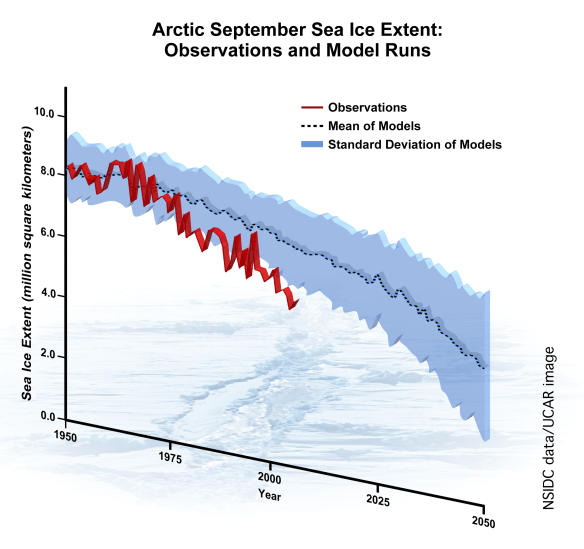

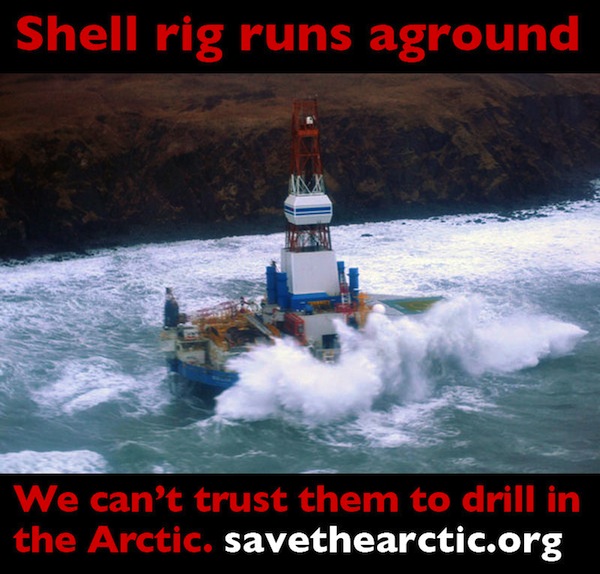
 Greenpeace activists have chained themselves to anchor lines preparing to launch Shell’s Arctic exploration. This seasons ice melt has been calamitous, with outcomes for the coming decades, which the 2007 I.P.C.C. reports put “towards the end of the century”.



 “Get big or Get out” was a mantra which drove the post war food industry where “supply security” was the focal point of farming. Theoretically the trickle down of this global prosperity and green revolution can feed the world, at population levels of “the last century”. However, over 1 billion people still remain below the poverty line ($1.25 per day) and another 2 billion are said to be below what western society would call a “subsistence” level. There has been a stark reminder that the rules applying to “last century”, no longer apply as the world adds 1 BILLION people to the planet every 12 years. Genetically modified organisms are now being touted to be the scientific answer, pushing food production into the realm of science fiction, and food monopolies into the bank balances of global corporations. Not only is the thought of the existing 7 billion becoming 9, 10 or more billion challenging enough, even with GMO, but no one has had a real handle of what effects a warming planet will add to the mix.


 The world has spoken. The success of the Olympic games in London showed global support for ‘business as usual’, for a continuation of the march of society toward prosperity. We like this institution, and we want it in our future, and only a watermelon could argue with that. (Green on the outside, Red on the inside)
 The ‘budget’ London Olympics (using many existing facilities), still cost £19 billion, to bring Brazil to the world stage will cost much more. Brazil is one of the ‘BRIC’ countries that have been experiencing high growth rates over the last 10 years. At present ‘ponzi scheme’ growth has slowed in Brazil as in China and India. Brazil is even borrowing failed policies from industrialised countries to provide “stimulus” to “keep the dream alive”.


 We don’t seem to be speaking the same language . . . .
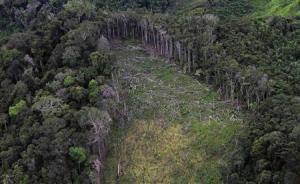 Rousseff recently touted figures showing that the rate of deforestation in the Amazon fell to a record low in the 12 months ended July 2011, the most recent yearlong period for which data is available. Total land cleared – about 6,400 square kilometers, was down 77 percent from 2004, a trend that preliminary data suggests has continued in recent months. The Brazilian Amazon is home to 40% of the world’s tropical forest and one of the most biodiverse regions on the planet. About 54% of the area is under environmental protection, and in the past five years, stricter controls and better compliance have driven deforestation rates down to a historical low. The push for economic development, reversing protection for areas in the Amazon Basin, approving hydroelectric projects and removing federal officers who police the Brazilian Forest Code will see a reversal of that trend.
 anteaters and spider monkeys have become “virtually extinct” in Brazil’s Atlantic forest, while other species are being lost faster than previously believed due to the fragmentation and emptying of the once dense canopy by farmers and hunters. The authors of the study say their findings have global implications for conservation because they confirm the quantity of forest cover is an unreliable indicator of biodiversity – more important is the quality of the forest and the measures taken to protect the fauna within it.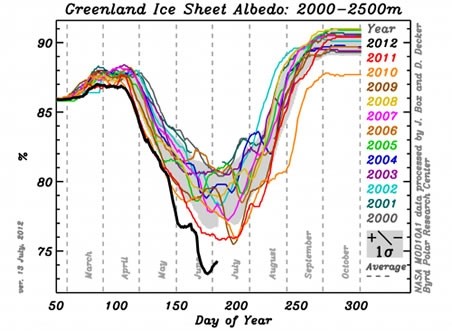
 Ice sheet reflectivity is crucial in that the opposite means greater heat absorbtion, which, in an area covered in ice and snow, becomes an irreversable loop. The system collapse has been caused by a mere 0.8 degree C global increase in temperatures, current trajectory is for a 4 – 6C average warming by 2100. Artic air temperatures have risen 4C since 1980 but this a minor factor. The chief culprit in “calving” events such as the glaciers shed from the Peterman Glacier in NW Greenland in 2010 and again this week in 2012 is WATER TEMPERATURE.
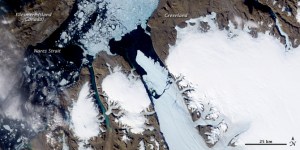 Peterman glacier ‘calving’ in 2010.
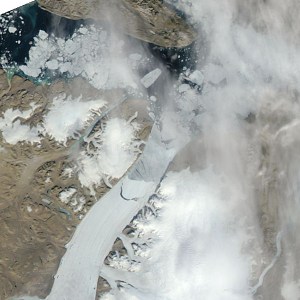 and below last week.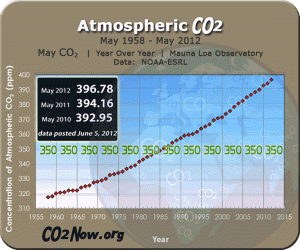
 CO2 emissions by fossil fuels [1 ppm CO2 ~ 2.12 GtC, where ppm is parts per million of CO2 in air and GtC isgigatons of carbon] via Hansen. Significantly exceeding 450 ppm risks several severe and irreversible warming impacts. [Estimated reserves and potentially recoverable resources are from U.S. EIA (2011) and German Advisory Council on Global Change (2011). We are headed toward 800 to 1,000+ ppm, which represents the near-certain destruction of modern civilization as we know it — as the recent scientific literature makes chillingly clear]
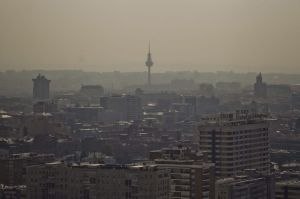 Major Cities air quality such as Madrid (pictured), and Barcelona have consistently exceeded European Union levels even tho’ enjoying wonderful public transport systems – many cities still struggle to find effective answers to constant advertising of ‘snappy new cars’ and S.U.V.’s. Shipping remains a completely uncontrolled source of toxic emissions from the massive ramp up of global trade spewing sulphur and nitrous oxides over coastal communities.
 It has a King who, as head of the Spanish “branch” of the World Wildlife Fund, thinks it appropriate to holiday in Botswana shooting elephants. That’s the King on the right (ahem)
 Supreme Court Chief Justice Carlos Dívar on Thursday resigned under pressure for charging 32 long weekend trips to Marbella and other Spanish destinations to the judiciary.
 wars”, even before John Howard. The only natural resources Spain has is a small amount of coal in Asturia.
 EMISSIONS RISE AND THE TIPPING POINT GETS CLOSER.
 The Governments of Madrid and Barcelona have finished the acrobatics and “bidding” to attract America’s 3rd wealthiest man Sheldon Adelston to their respective Cities. But what is known about the man and what he does, a shadowy figure with casinos in Las Vegas, Macau and Singapore and money to burn in Spain. A recent article in Rolling Stone makes a great deal of his $16.5 million donation to Newt Gingrich’s presidential tilt which just collapsed. Not only renowned for his search for political influence, he is also renowned for his union busting exploits in America and use of cheap foreign labour to work 24/7 on Asian projects where labour laws are ill defined.
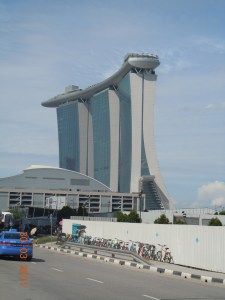 Singapore Sands casino, and an endless pool 53 stories in the air.
It is the profits from the Asian casinos that is bankrolling Adelston as the economic growth in Asia shows little sign of decling. New figures show that “shopping sprees” to Europe are common, with the average Asian shopper snapping up bargains to the tune of $10 – 15,000 per visit. Spains extreme surplus of airports (twice as many as Germany !), is no doubt another reason governments, and more than likely Aznar, are backing Euro Vegas.
Gambling the future? most certainly, and remember the fate of the Hungarian Euro Vegas stated in 2011 as a project to be completed in 2010, then in 2012 ???
Singapore Sands casino, and an endless pool 53 stories in the air.
It is the profits from the Asian casinos that is bankrolling Adelston as the economic growth in Asia shows little sign of decling. New figures show that “shopping sprees” to Europe are common, with the average Asian shopper snapping up bargains to the tune of $10 – 15,000 per visit. Spains extreme surplus of airports (twice as many as Germany !), is no doubt another reason governments, and more than likely Aznar, are backing Euro Vegas.
Gambling the future? most certainly, and remember the fate of the Hungarian Euro Vegas stated in 2011 as a project to be completed in 2010, then in 2012 ??? Aznar at his zenith, the “boys” club.
 Rupert Murdoch has been head of News Limited before, during and after the News of the World phone hacking broke. It highlighted the extent of political influence the Murdoch press has, and uncovered illegal payment of police, “willful ignorance”, sham investigations, and political favouritism in the process of the takeover of BSkyB televison.
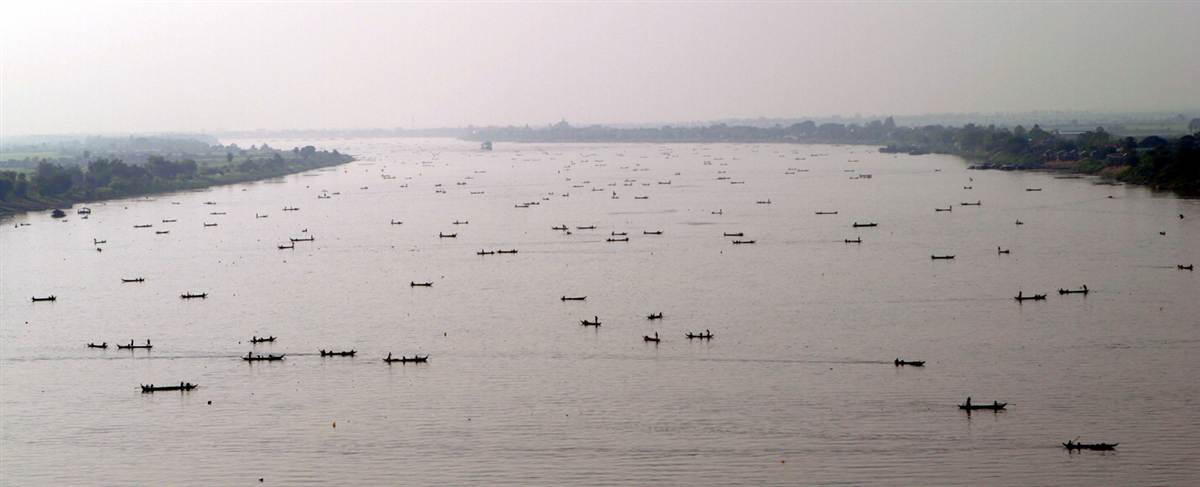
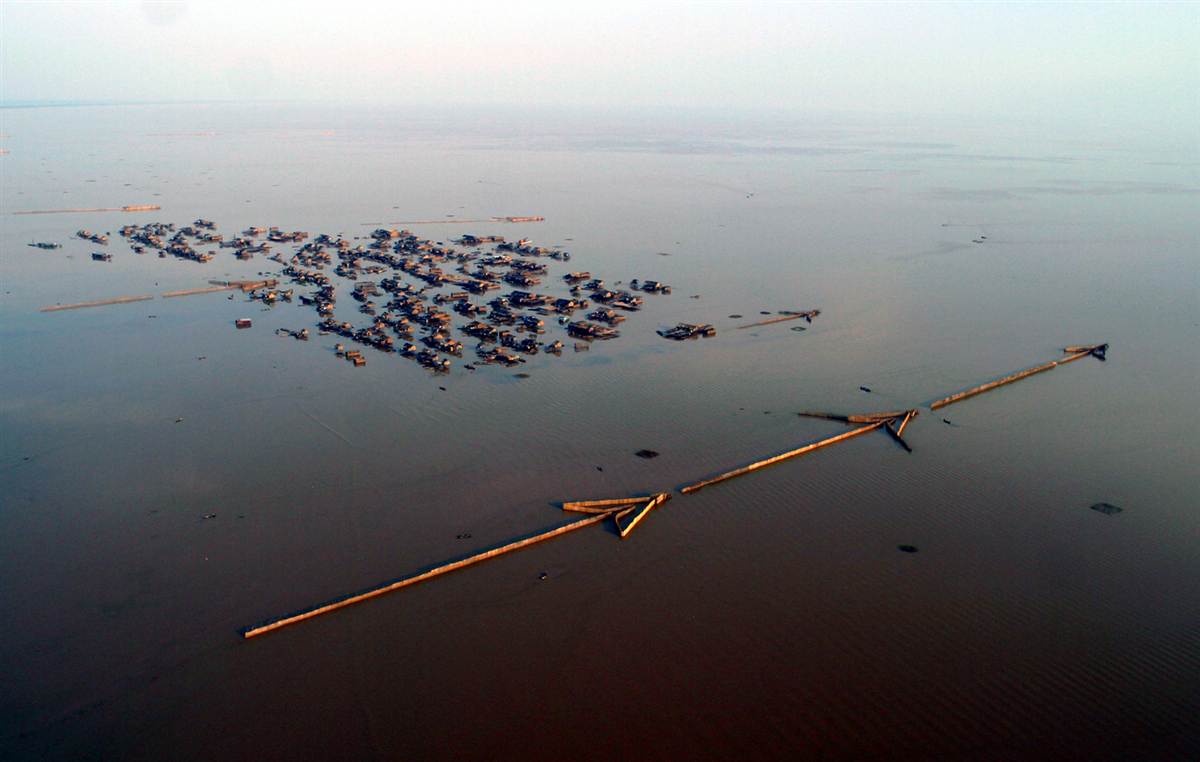
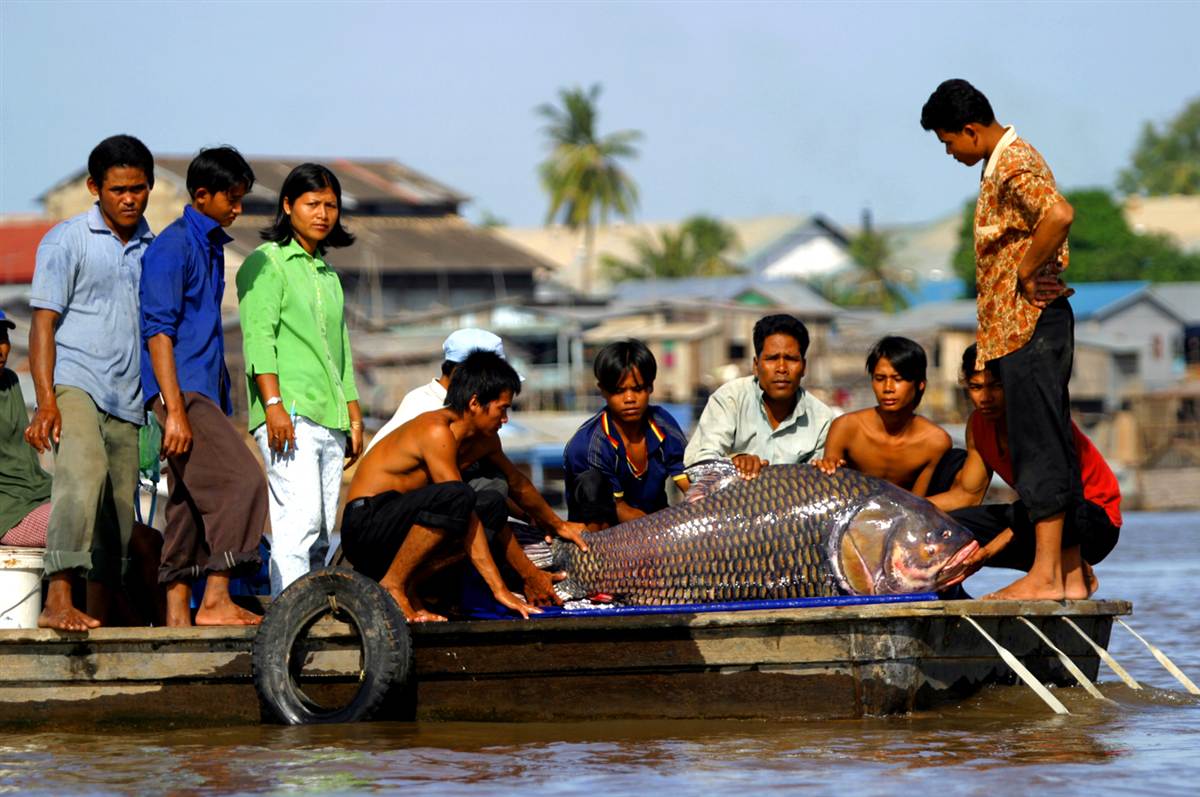
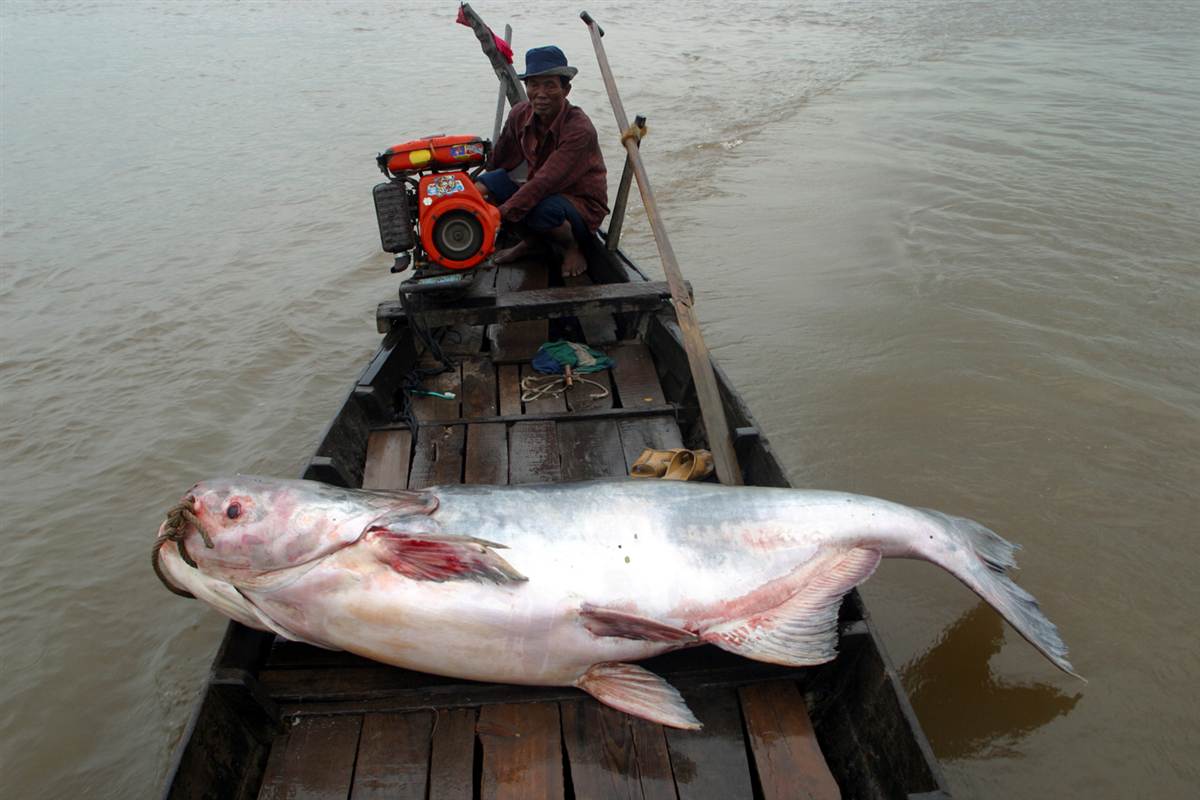
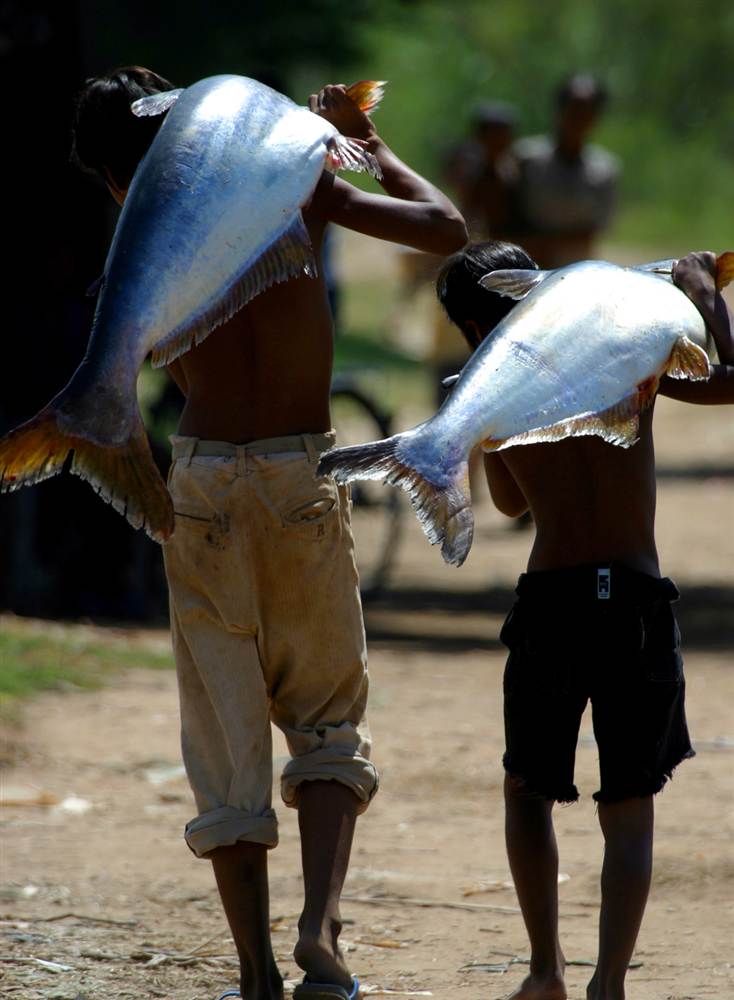
 THE MEKONG RIVER.
 It is the lifeblood of the millions of people of the region and has already been affected by China’s dam construction on the upper reaches of the Mekong with noticable falls in water levels on the lower reaches. Specifically, the dam will not only involve the resettlement of about 2,100 people; the means of subsistence, income and food security of 202,000 people living around Xayaburi dam will be affected due to the reduction of farmland and decimation of fisheries.As the downstream country, the impact on Cambodia will be even greater. When the dam is constructed on the main stream of Mekong river, the food source of 80% of the population will be affected. The Tonle Sap lake area will face most serious problems due to the impact on its wild fish resources, which currently constitute the primary source of food and livelihoods for 1.6 million people and approximately 10% of current national GDP. The reduction of alluvium caused by the stagnancy of water in the dam’s reservoir will also negatively affect Cambodia food security.Thailand will likewise experience serious environmental impact on fisheries, alluvium and aquatic products, as well as social issues such as the destruction of subsistence-based livelihoods for people living along Mekong River and increased migration to urban areas, both internal and transboundary.Located in the lowest part of Mekong basin, Vietnam will suffer the most from the negative impacts of dam on main stream of Mekong river. The Xayaburi dam and other proposed main stream dams on the Lower Mekong would add significantly to the projected impact of China’s massive dams in Yunnan on the Mekong Delta of Vietnam, where 18 million people are living as well as to regional and even international food security. Vietnam is the world’s second largest rice exporter and the Mekong Delta-already one of the areas most vulnerable to sea level rise–produces nearly half of its rice crop.








 Perhaps one of the most well-known voices for the Left, Canadian Naomi Klein is an activist and author of several nonfiction works critical of consumerism and corporate activity, including the best sellers No Logo (2000) and Shock Doctrine (2007).
 Meanwhile, back at the Ranch. . all this in the name of austerity.


 No place like home.